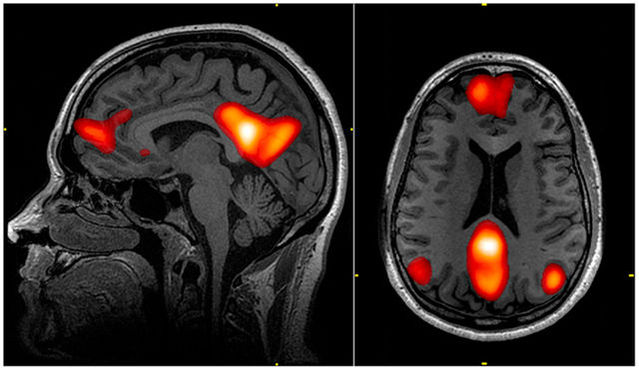
Understanding how childhood shapes lifelong emotional regulation, stress responses, and neural circuitry
Trauma is not defined by the event itself, but by how the nervous system adapts to it. The developing brain is highly plastic, meaning early experiences, especially stressful or inconsistent ones, can reshape core circuits responsible for safety, connection, regulation, and perception. Over time, these adaptations grow into beliefs and behaviors that follow us into adulthood.
The Trauma Tree is a useful scientific metaphor for understanding this process. Roots represent early experiences, the trunk symbolizes the beliefs and neural templates formed in response, and the branches reflect adult behaviors that grow from those foundations. Together, they illustrate why trauma is not a character flaw, but a biological adaptation.
The Roots: Childhood Experiences That Shape Neurobiology
Early childhood is the most sensitive period of brain development. During these years, the neural circuits responsible for threat detection, emotional regulation, and stress physiology are formed. Research from developmental neuroscience and attachment science consistently shows that early environment influences four major systems: